
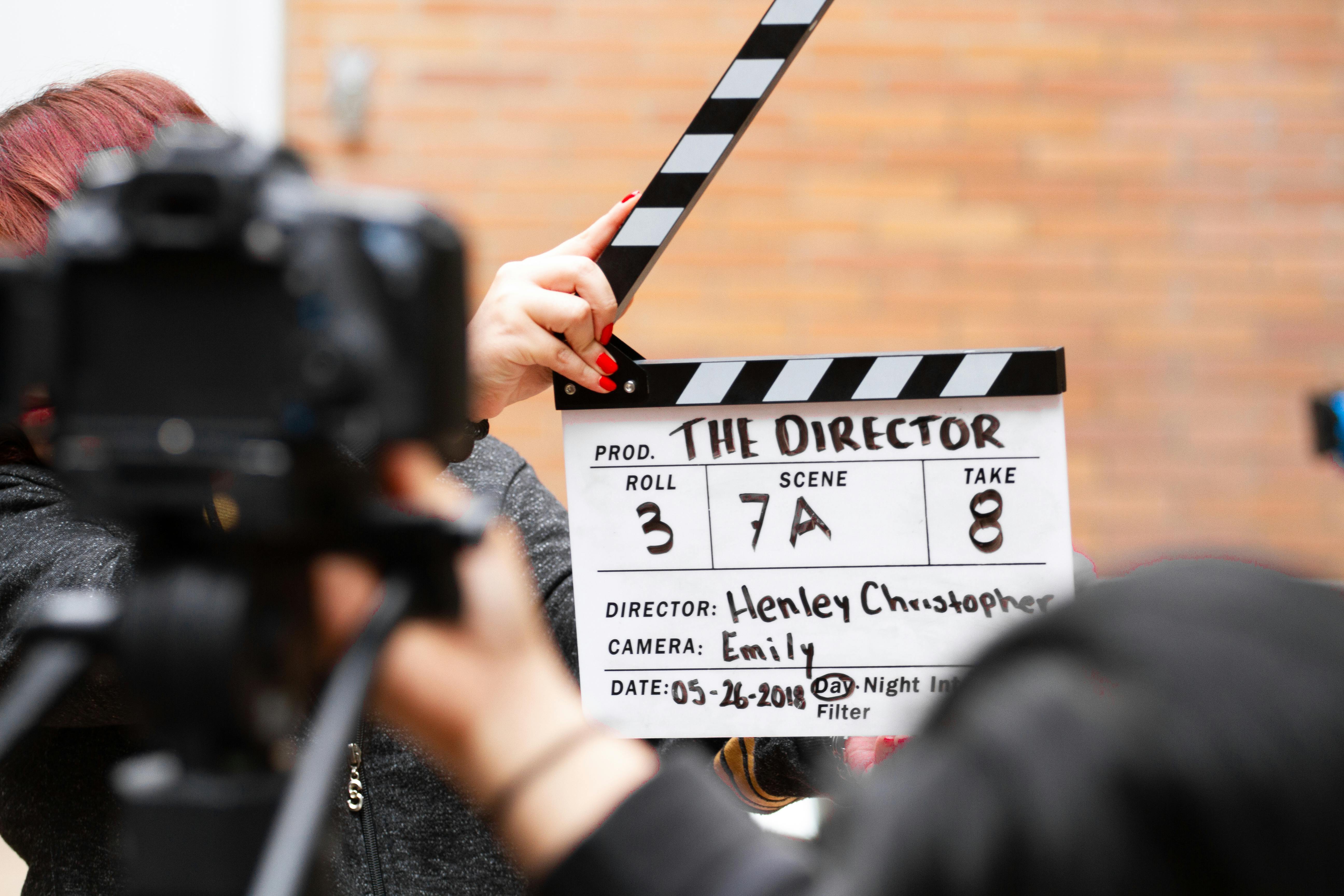
Video SEO: The Complete YouTube Optimization Guide for 2026
Video has become the dominant content format online, and optimizing your videos for search is no longer optional - it's essential. With YouTube processing over 500 hours of video uploads every minute and Google increasingly featuring video results in traditional search, mastering video SEO can dramatically expand your organic reach.
This comprehensive guide covers everything from YouTube algorithm optimization to cross-platform video discoverability, AI-enhanced video search, and the technical foundations that help your content rank across multiple search ecosystems.
Why Video SEO Matters in 2026
The Video Search Revolution
YouTube is the Second Largest Search Engine: With over 2 billion logged-in users monthly and 1 billion hours watched daily, YouTube represents a massive search opportunity most businesses underutilize.
Google Loves Video: Video results appear in 62% of Google searches, and video snippets receive 41% higher click-through rates than text-only results.
AI Video Understanding Has Evolved: Google and YouTube now understand video content at a deeper level through automatic transcription, visual recognition, and semantic analysis - making optimization more nuanced than ever.
Cross-Platform Discovery: Videos optimized for YouTube increasingly surface in Google Search, Google Discover, AI Overviews, and social media algorithms.
Higher Engagement and Conversion: Video content generates 1200% more shares than text and images combined, with landing pages featuring video seeing 80% higher conversion rates.
Understanding the YouTube Algorithm in 2026
How YouTube Ranks Videos
YouTube's recommendation and search algorithms have evolved significantly. Understanding their priorities helps you create content that ranks:
Primary Ranking Factors:
- Watch Time and Retention: Total minutes watched and percentage of video completed
- Engagement Signals: Likes, comments, shares, and saves
- Click-Through Rate (CTR): Percentage of impressions that result in clicks
- Session Time: How long viewers stay on YouTube after watching your video
- Content Relevance: How well your video matches search intent and viewer interests
- Channel Authority: Overall channel performance and subscriber engagement
- Freshness: Recency of upload for time-sensitive topics
The Shift to Satisfaction Metrics
YouTube has moved beyond simple engagement to measure viewer satisfaction:
- Survey Responses: YouTube surveys viewers about content quality
- Return Viewers: How often viewers come back to your channel
- Subscription Conversions: New subscribers gained per video
- Negative Signals: Dislikes, "not interested" clicks, and early abandonment
Keyword Research for Video SEO
Finding Video-Worthy Keywords
Not all keywords deserve video content. Focus on terms where video adds genuine value:
High Video Intent Keywords:
- "How to" queries (tutorials, guides)
- "Review" searches (product comparisons)
- "What is" questions (explanations)
- Visual topics (design, travel, cooking)
- Entertainment searches
- Training and educational content
Tools for Video Keyword Research:
- YouTube Search Suggest: Type partial queries and note autocomplete suggestions
- YouTube Analytics: Check what queries already drive traffic to your videos
- VidIQ and TubeBuddy: Dedicated YouTube SEO tools with keyword difficulty scores
- Google Trends: Compare topic interest over time and by region
- Ahrefs/Semrush: Filter for keywords with video SERP features
- AI Research Tools: Use ChatGPT or Claude to brainstorm related topics and questions
Analyzing Video Search Intent
Before creating content, analyze what currently ranks:
Questions to Ask:
- What video length performs best for this topic?
- What style dominates (talking head, screen recording, animation)?
- What angle or approach do top videos take?
- What's missing from existing content?
- What questions do comments ask?
The Content Gap Opportunity: Look for keywords where existing videos are:
- Outdated (information from 2+ years ago)
- Low quality (poor production or incomplete information)
- Wrong format (text-heavy when visual demonstration is needed)
- Missing depth (surface-level coverage only)
Optimizing Video Titles for Search and CTR
The Title Formula
Your title must balance searchability with click-worthiness:
Title Best Practices:
- Front-Load Keywords: Put primary keywords in the first 60 characters
- Include the Year: Add 2026 for freshness signals on relevant topics
- Promise Clear Value: What will viewers learn or gain?
- Create Curiosity: Use power words that drive clicks
- Keep Under 70 Characters: Prevents truncation in search results
Effective Title Structures:
How to [Achieve Result] in [Timeframe] ([Year] Guide)
[Number] [Topic] Tips That Actually Work
[Topic] for Beginners: Complete [Year] Tutorial
[Surprising Statement]: Why [Common Belief] is Wrong
[Topic] vs [Topic]: Which is Better for [Use Case]?
Example Transformations:
❌ Weak: "SEO Tips" ✅ Strong: "7 SEO Tips That Tripled My Organic Traffic in 30 Days (2026)"
❌ Weak: "How to Use ChatGPT" ✅ Strong: "ChatGPT for Content Creation: Complete Beginner's Guide 2026"
❌ Weak: "Website Speed Tutorial" ✅ Strong: "Speed Up Your Website: 5-Minute Fixes That Boost Rankings"
Writing Video Descriptions That Rank
Description Optimization Strategy
YouTube descriptions are prime SEO real estate - use all 5,000 characters strategically:
Description Structure:
[First 150 Characters - Hook + Primary Keyword]
Brief, compelling summary that includes your main keyword naturally.

[Timestamps - If applicable]
0:00 Introduction
1:23 First Main Point
4:56 Second Main Point
...

[Detailed Description - 300-500 words]
Expand on video content with relevant keywords, context, and value.
Include secondary keywords naturally throughout.

[Links and Resources]
🔗 Resources mentioned in this video:
- Link 1: [Description]
- Link 2: [Description]

[Call to Action]
Subscribe for more [topic] content: [Channel Link]

[Related Videos]
📺 Watch Next:
- Related Video 1: [Link]
- Related Video 2: [Link]

[Social Links and Contact]

[Hashtags - 3-5 relevant]
#VideoSEO #YouTubeTips #ContentMarketing
First 150 Characters Are Critical
The first two lines appear in search results before "Show More":
- Include primary keyword naturally
- Hook viewers with clear value proposition
- Create urgency or curiosity to click "Show More"
Example: "Learn the exact video SEO strategies that helped us grow from 0 to 100K subscribers. This complete YouTube optimization guide covers everything from titles to thumbnails to watch time optimization."
Thumbnail Optimization for Higher CTR
The Psychology of Clickable Thumbnails
Your thumbnail is often the deciding factor between a click and a scroll:
High-Performing Thumbnail Elements:
- Faces with Emotion: Human faces showing strong emotions increase CTR by 38%
- Contrasting Colors: Use colors that pop against YouTube's white background
- Readable Text: 3-5 words maximum, large enough to read on mobile
- Visual Hierarchy: One clear focal point that communicates the topic
- Consistency: Brand elements that make your videos recognizable
- Curiosity Gap: Show enough to intrigue without revealing everything
Thumbnail Technical Requirements:
- Resolution: 1280 x 720 pixels minimum
- Aspect Ratio: 16:9
- File Size: Under 2MB
- Formats: JPG, PNG, or GIF
A/B Testing Thumbnails: YouTube now offers thumbnail testing for eligible channels:
- Test 2-3 variations
- Let data run for at least 7 days
- Look at CTR differences of 10%+ as significant
- Apply learnings to future thumbnails
Tags and Hashtags Strategy
Using Tags Effectively
While tags carry less weight than they once did, they still help YouTube understand your content:
Tag Best Practices:
- Start with Exact Target Keyword: First tag should be your primary keyword
- Include Variations: Add keyword variations and synonyms
- Add Broader Category Tags: Help YouTube understand your content niche
- Use Competitor Video Tags: Tools like VidIQ reveal competitor tags
- Limit to 10-15 Relevant Tags: Quality over quantity
Tag Structure Example:
video seo, video seo tutorial, youtube seo, youtube optimization,
how to rank youtube videos, youtube algorithm 2026, video marketing,
youtube tips, grow youtube channel, video search optimization
Hashtags in 2026
Hashtags appear above video titles and create clickable topic pages:
- Use 3-5 relevant hashtags maximum
- First 3 hashtags appear above the title
- Place at the end of your description
- Include a mix of broad and specific hashtags
- Avoid spammy or misleading hashtags
Optimizing for Watch Time and Retention
Why Watch Time Matters Most
Watch time is YouTube's primary ranking factor because it directly correlates with advertising revenue and platform satisfaction:
Watch Time Optimization Strategies:
1. Hook Viewers in the First 30 Seconds
- Start with a compelling preview of what's coming
- Address the viewer's pain point immediately
- Promise specific value they'll receive
- Avoid lengthy introductions and branding
Example Hook Structure: "In the next 10 minutes, I'll show you the exact 5 steps that took this video from 100 views to 100,000. Step 3 alone doubled my click-through rate - and it takes less than 2 minutes to implement."
2. Pattern Interrupts Throughout
- Change visuals every 5-10 seconds
- Use B-roll, graphics, and screen recordings
- Vary your vocal energy and pacing
- Include unexpected elements
3. Open Loops
- Tease upcoming content to keep viewers watching
- "Later I'll show you the one mistake that kills most videos"
- Deliver on every promise you make
4. Optimal Video Length Match length to topic complexity:
- Quick tips: 3-5 minutes
- Tutorials: 8-15 minutes
- Deep dives: 15-25 minutes
- Avoid padding content just for length
5. Strong Endings
- Summarize key takeaways
- Include clear call-to-action
- Suggest next video to watch
- End on high energy, not fade out
Closed Captions and Transcripts
Why Captions Matter for SEO
Captions provide multiple SEO benefits:
Direct Benefits:
- YouTube indexes caption text for search ranking
- Improves accessibility (required for some audiences)
- Enables viewing without sound (85% of Facebook videos watched muted)
- Increases watch time by 12% on average
Caption Optimization:
- Always Add Custom Captions: Auto-generated captions are 80% accurate at best
- Include Keywords Naturally: Your spoken content should include target keywords
- Format for Readability: Use proper punctuation and line breaks
- Translate for International SEO: Add captions in multiple languages for global reach
Transcript Strategy:
- Download and edit auto-generated transcripts
- Add transcripts to video descriptions
- Repurpose transcripts for blog posts
- Use transcripts to create timestamps
YouTube Shorts and Vertical Video SEO
Optimizing for Short-Form Discovery
YouTube Shorts has exploded with over 50 billion daily views. Short-form video requires different optimization:
Shorts Best Practices:
- Hook in First Second: You have 1 second to stop the scroll
- Vertical Format: 9:16 aspect ratio, 1080x1920 resolution
- 60 Seconds Maximum: Shorter often performs better (15-30 seconds)
- Loopable Content: Design for replay value
- Text Overlays: Many viewers watch without sound
- Trending Sounds: Use popular audio when relevant
Shorts SEO Elements:
- Title under 40 characters
- Include #Shorts in description
- Use 3-5 relevant hashtags
- Strong thumbnail (though less impactful for Shorts)
Cross-Pollination Strategy:
- Repurpose long-form highlights as Shorts
- Use Shorts to drive traffic to full videos
- Create Short teasers before main video releases
- Convert performing Shorts into expanded long-form content
Video Schema Markup for Google Search
Implementing VideoObject Schema
Help Google understand and feature your videos with structured data:
Essential VideoObject Properties:
{
  "@context": "https://schema.org",
  "@type": "VideoObject",
  "name": "Video SEO: Complete YouTube Optimization Guide 2026",
  "description": "Learn proven video SEO strategies...",
  "thumbnailUrl": "https://example.com/thumbnail.jpg",
  "uploadDate": "2026-01-28T08:00:00+00:00",
  "duration": "PT19M30S",
  "contentUrl": "https://youtube.com/watch?v=xxxxx",
  "embedUrl": "https://youtube.com/embed/xxxxx",
  "interactionStatistic": {
    "@type": "InteractionCounter",
    "interactionType": "https://schema.org/WatchAction",
    "userInteractionCount": 15000
  }
}
Additional Valuable Properties:
transcript: Full video transcripthasPart: Timestamps as Clip markuppublication: Broadcast detailsauthor: Creator information
Clip Markup for Key Moments
Enable Google to show specific video segments in search:
{
  "@type": "Clip",
  "name": "How to Research Video Keywords",
  "startOffset": 120,
  "endOffset": 300,
  "url": "https://youtube.com/watch?v=xxxxx&t=120"
}
Embedding Videos for Maximum SEO Impact
Strategic Video Embedding
Embedding YouTube videos on your website creates SEO synergy:
Embedding Best Practices:
- Relevant Page Context: Embed on pages with related written content
- Above the Fold When Possible: Higher visibility increases plays
- Supportive Text Content: Add 500+ words of relevant content around the video
- Proper Schema Markup: Implement VideoObject on the page
- Fast Page Loading: Lazy load embeds to maintain page speed
The Blog Post + Video Strategy:
- Create comprehensive blog post on topic
- Embed relevant YouTube video
- Include video transcript
- Link to YouTube channel
- Cross-link in YouTube description
This approach:
- Ranks in both Google and YouTube
- Captures different search intents
- Increases time on site
- Builds channel subscribers from web traffic
YouTube Channel Optimization
Building Channel Authority
A well-optimized channel supports individual video rankings:
Channel Optimization Checklist:
Channel Name and Handle:
- Include primary keyword if brand allows
- Keep consistent across platforms
- Secure matching handle (@yourbrand)
Channel Description:
- Front-load with primary keywords
- Explain what viewers will learn
- Include upload schedule
- Add links to website and social
Channel Keywords:
- Add in YouTube Studio settings
- Include brand name and topic keywords
- Limit to 7-10 most relevant terms
Channel Sections:
- Organize videos into playlists
- Feature best-performing content
- Create topic-based sections
- Add channel trailer for new visitors
Visual Branding:
- Professional channel banner (2560 x 1440)
- Recognizable profile picture
- Consistent thumbnail style
- Brand colors throughout
Playlist Optimization
Using Playlists for SEO and Watch Time
Playlists are underutilized SEO assets:
Playlist SEO Benefits:
- Playlists rank in YouTube search
- Playlists appear in Google search results
- Increase session watch time
- Guide viewers through your content
- Signal topic authority to algorithm
Playlist Optimization:
- Keyword-Rich Titles: "Video SEO Tutorial for Beginners 2026"
- Detailed Descriptions: 200+ words with relevant keywords
- Strategic Video Order: Put best-performing videos first
- Optimal Length: 5-15 videos per playlist
- Regular Updates: Add new relevant videos
- Cross-Playlist Videos: Include videos in multiple relevant playlists
Promotion and Distribution Strategy
Maximizing Video Reach
Great optimization means nothing without promotion:
First 24 Hours Are Critical: YouTube weighs early performance heavily. Maximize initial velocity:
- Email List: Send to subscribers immediately
- Social Media: Share across all platforms
- Community Tab: Post to YouTube subscribers
- Website Embed: Add to relevant pages
- Respond to Comments: Boost engagement signals
Ongoing Promotion:
- Embed in blog posts
- Share in relevant communities
- Include in email newsletters
- Cross-promote in other videos
- Collaborate with other creators
Platform-Specific Optimization:
LinkedIn:
- Upload native video for better reach
- Professional angle on topic
- Tag relevant people and companies
Twitter/X:
- Native video clips with link to full video
- Engaging thread breaking down key points
- Use relevant hashtags
TikTok/Instagram:
- Vertical clips from main video
- Trending audio when appropriate
- Link in bio to full video
AI Video Search Optimization
Preparing for AI-Powered Discovery
AI assistants increasingly recommend video content:
AI Discoverability Factors:
- Clear Value Proposition: AI recommends videos that clearly solve problems
- Authoritative Signals: Channel credibility and expertise indicators
- Comprehensive Coverage: Thorough treatment of topics
- Updated Information: Current, accurate content
- Positive Engagement: High satisfaction metrics
Optimization Strategies:
- Create definitive, comprehensive content on topics
- Include expert credentials in descriptions
- Keep content updated and accurate
- Build channel authority through consistency
- Earn external mentions and embeds
Video Analytics and Iteration
Key Metrics to Track
Use YouTube Analytics to continuously improve:
Primary Metrics:
- Watch Time: Total minutes and per-video
- Average View Duration: Percentage of video watched
- Click-Through Rate: Impressions to views
- Subscriber Conversion: New subs per video
Secondary Metrics:
- Traffic sources breakdown
- Search terms driving views
- Audience retention graph
- Engagement (likes, comments, shares)
- Revenue (if monetized)
Using Data to Improve:
- Identify Drop-Off Points: Fix retention issues in future videos
- Double Down on Winners: Create more content like top performers
- Test Thumbnails: Use built-in testing or track CTR changes
- Optimize Existing Videos: Update titles, descriptions, thumbnails
- Track Search Rankings: Monitor position for target keywords
Common Video SEO Mistakes to Avoid
What Kills Video Rankings
1. Clickbait That Doesn't Deliver Misleading titles tank retention and destroy trust. Negative engagement signals hurt all your content.
2. Ignoring Audio Quality Poor audio causes immediate abandonment. Invest in a good microphone before expensive cameras.
3. Inconsistent Upload Schedule Algorithm rewards consistency. Set realistic schedule and maintain it.
4. Neglecting Community Comments, community posts, and engagement build loyalty and signals. Respond to your audience.
5. Copying Without Adding Value Creating the same video as competitors won't rank. Find your unique angle.
6. Keyword Stuffing Unnatural keyword use in titles and descriptions looks spammy and hurts CTR.
7. No End Screens or Cards Missing chances to extend watch time and guide viewers to more content.
8. Ignoring Analytics Creating blindly without learning from data wastes effort on what doesn't work.
Video SEO Tools and Resources
Essential Tools for Video Optimization
YouTube Native Tools:
- YouTube Studio Analytics
- YouTube Search Suggest
- A/B Thumbnail Testing
Third-Party SEO Tools:
- VidIQ (keyword research, competitor analysis)
- TubeBuddy (optimization scores, bulk tools)
- Ahrefs (video keyword research)
- Semrush (video SERP tracking)
Creation Tools:
- Descript (transcription, editing)
- Canva (thumbnail creation)
- CapCut (short-form editing)
- Frame.io (collaboration)
AI Tools:
- ChatGPT/Claude (script writing, research)
- Opus Clip (long-to-short repurposing)
- Pictory (text-to-video)
- ElevenLabs (voiceover)
Building a Video SEO Strategy
Your 90-Day Action Plan
Month 1: Foundation
- Audit existing videos (update top 10)
- Establish keyword research process
- Create thumbnail templates
- Optimize channel page
- Set realistic upload schedule
Month 2: Optimization
- Implement schema markup on website
- Create strategic playlists
- Develop promotion checklist
- Start A/B testing thumbnails
- Build embedding strategy
Month 3: Scaling
- Analyze what's working
- Double down on successful formats
- Expand to YouTube Shorts
- Build collaboration relationships
- Create repurposing workflow
Conclusion: Video SEO is a Long Game
Video SEO success requires patience and consistency. Unlike some forms of marketing, video builds compounding returns - a well-optimized video can drive traffic for years.
Focus on creating genuinely valuable content for your audience, optimize systematically using the strategies in this guide, and commit to continuous improvement based on data.
The channels dominating video search in 2026 aren't necessarily the ones with the biggest budgets - they're the ones that understand their audience deeply and optimize relentlessly.
Start with one video, optimize it thoroughly, learn from the results, and iterate. Your future self will thank you for the foundation you build today.
Want to elevate your video content strategy? Hubty helps businesses create and optimize content that ranks across both traditional and AI-powered search platforms.